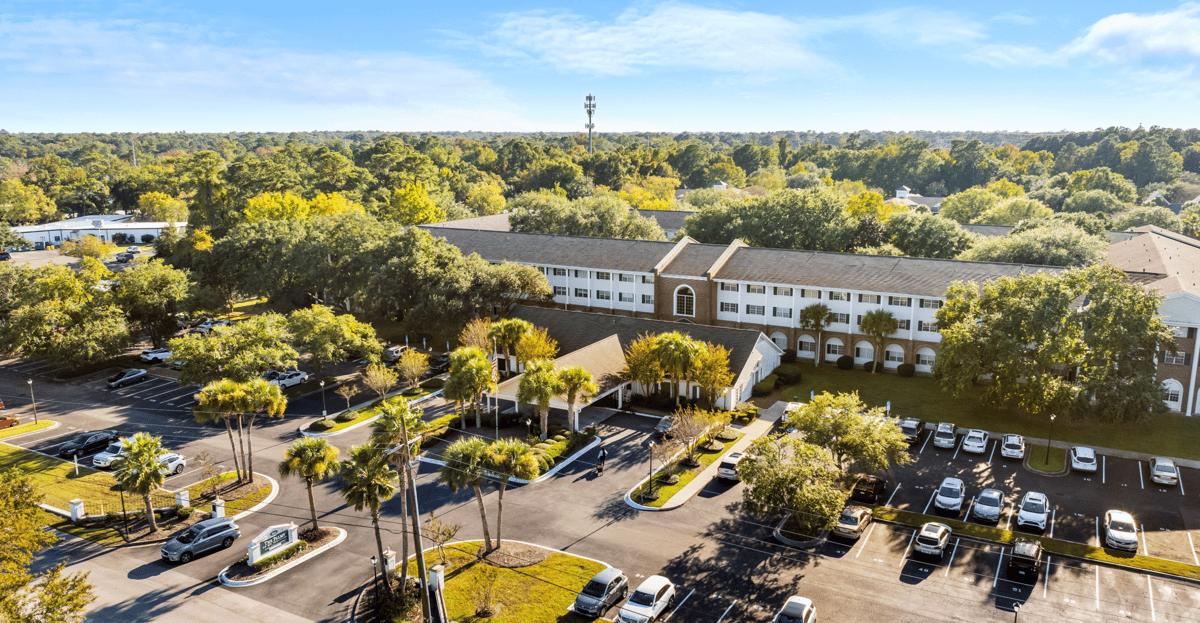

Sensory dining uses visual cues, aromas, textures, and sounds to help residents with dementia enjoy meals more fully. This approach supports appetite, encourages social interaction, and promotes emotional comfort during mealtimes. For families exploring options for memory care in Mount Pleasant, SC, understanding how sensory dining works can guide decisions about quality care.
The Alzheimer's Association estimates that over 7 million Americans are living with Alzheimer's disease. Many of these people experience appetite changes as the condition progresses, resulting in missed meals and poor nutrition.
Sensory dining for seniors addresses these challenges by transforming meals into meaningful experiences engaging multiple senses at once.
What Is Sensory Dining for Seniors?
Sensory dining involves creating mealtime environments that engage sight, smell, taste, touch, and hearing. The goal is to make food more recognizable and enjoyable for individuals experiencing cognitive decline.
Research published in Brain Sciences found that sensory-based interventions can improve mood and cognitive functioning in people with dementia. These findings support using multisensory meals as part of comprehensive memory care programs.
Key elements include:
- Colorful plating makes food visually distinct and easier to identify
- Aromatic cues from cooking that signal mealtimes approaching
- Textured foods provide tactile feedback during eating
- Background music creates a calming atmosphere
Memory care communities like The Palms of Mt. Pleasant incorporate these elements. Their dining programs emphasize subtle nuances designed to stimulate appetite and increase awareness during mealtimes.
How Does Dementia Affect Appetite and Eating?
Dementia and appetite changes often go hand in hand. As the condition progresses, individuals may lose interest in food, forget to eat, or struggle to recognize when meals are available.
According to the Alzheimer's Disease International (ADI) World Alzheimer Report on nutrition and dementia, eating disturbances increase with dementia severity. Studies show that between 20% and 45% of individuals with dementia experience clinically significant weight loss over one year.
Several factors contribute to appetite loss:
- Decreased sense of smell and taste, making food less appealing
- Confusion about mealtimes or inability to recognize hunger cues
- Difficulty coordinating chewing and swallowing movements
- Depression or apathy reduces interest in eating
Understanding these challenges helps families recognize why specialized dining approaches matter for senior dining support and memory care nutrition.
Why Do Multisensory Meals Matter in Memory Care?
Multisensory meals work by activating multiple brain pathways simultaneously. When someone with dementia sees an appetizing plate, smells familiar aromas, and hears pleasant sounds, their brain receives reinforcing signals encouraging eating.
Research supports this approach. A systematic review in Biomedicines confirmed that multisensory stimulation can slow cognitive decline while improving mood and communication. These benefits extend to mealtime settings where sensory engagement supports better nutrition outcomes.
Key benefits of multisensory dining include:
- Simultaneous activation of multiple brain pathways through visual, olfactory, and auditory cues
- Improved mood and communication abilities among residents
- Better nutrition outcomes through enhanced engagement with meals
- Reduced agitation through family-style dining experiences
- Increased social interaction during communal mealtimes
The communal aspect also plays a critical role. Family-style dining helps manage agitation and promotes interaction among residents.
At The Palms of Mt. Pleasant, personalized care plans address individual needs while life enhancement activities extend naturally to the dining room.
What Senior Mental Health Tools Support Mealtime Success?
Effective senior mental health tools for mealtime go beyond food preparation. They include environmental design, staff training, and personalized approaches supporting aging and emotional regulation.
Creating supportive dining environments involves:
- Reducing background noise and visual distractions
- Using contrasting colors between plates and food
- Maintaining consistent mealtime schedules
- Providing gentle verbal cues and encouragement
The memory care team at The Palms of Mt. Pleasant receives extensive training, ensuring exceptional care during meals. Their dedicated team members bring compassion to every interaction. Mount Pleasant's Lowcountry charm provides a comfortable setting for retirement, supporting overall memory care and emotional wellness.
Building Senior Resilience Techniques Through Dining
Senior resilience techniques in memory care dining focus on maintaining abilities while providing appropriate assistance. This balance preserves dignity and encourages continued participation.
Effective dining programs incorporate:
- Choice options allowing residents to select preferred foods
- Adaptive utensils supporting independent eating
- Finger foods for those struggling with traditional utensils
- Encouraging words and positive reinforcement
These coping strategies for aging create positive mealtime associations rather than stress. The Palms of Mt. Pleasant emphasizes comprehensive services tailored to enhance residents' well-being and sense of belonging within a supportive environment.
Frequently Asked Questions
What Makes Sensory Dining Different From Regular Meals?
Sensory dining intentionally engages multiple senses to make meals more accessible for people with cognitive challenges. Regular meal service focuses primarily on nutrition delivery without considering the broader experience.
Sensory approaches add aromatic cues, visual contrast, textured foods, and pleasant sounds, helping residents recognize food, stimulate appetite, and find comfort in the dining experience.
Can Sensory Dining Help With Weight Loss in Dementia Patients?
Research supports that environmental modifications and sensory enhancements can improve food intake among residents with dementia. Creating appealing mealtime experiences often leads to better nutrition outcomes.
The combination of sensory engagement, social interaction, and appropriate dining support tailored to individual needs helps many residents maintain healthier eating patterns.
How Do Memory Care Communities Train Staff for Sensory Dining?
Quality memory care communities provide specialized training on dementia-specific dining techniques. Staff members learn to recognize individual preferences, provide appropriate assistance without removing independence, and create calm dining environments.
Ongoing education helps caregivers stay current with best practices, supporting residents' emotional wellness and nutritional health during meals.
What Role Does Family-Style Dining Play in Memory Care?
Family-style dining creates homelike atmospheres that feel familiar and comforting to residents experiencing cognitive decline. Sharing meals promotes social interaction and reduces feelings of isolation common in memory care settings.
This approach supports senior resilience techniques by maintaining normal routines and encouraging meaningful connections among residents and staff.
Supporting Memory Care in Mount Pleasant, SC
Memory care in Mount Pleasant, SC, recognizes that mealtimes represent more than nutrition delivery. They provide opportunities for connection, comfort, and continued engagement with daily life.
Sensory dining transforms ordinary meals into experiences supporting both physical health and emotional wellness.
The Palms of Mt. Pleasant offers a warm, inviting space where residents feel at home. Their compassionate team members create joyful environments filled with laughter, friendship, and engaging activities.
With personalized care plans addressing individual needs, families can trust their loved ones receive thoughtful support, enhancing overall well-being throughout each day. Don't wait; schedule a tour today to learn more.